
Smart plugs transform your standard outlets into intelligent power management systems. You’ll control appliances remotely via smartphone apps, schedule device operations, and monitor energy consumption. Voice assistants like Alexa enable hands-free automation, while Wi-Fi connectivity guarantees seamless integration. By plugging devices into these smart outlets, you’ll reduce vampire energy loss, optimize power usage, and create a more efficient home environment. Discover how to revolutionize your living space.
Key Takeaways
- Transform ordinary appliances into smart devices by enabling remote on/off control through smartphone apps and voice assistants like Alexa and Google Home.
- Schedule automatic device power cycling for energy savings, such as turning off electronics during peak hours or when not in use to reduce electricity consumption.
- Monitor individual appliance energy usage in real-time, gaining insights into power consumption patterns and identifying opportunities for efficiency improvements.
- Create custom automation routines that link smart plugs with other smart home devices, allowing synchronized actions like turning on lights when specific appliances activate.
- Eliminate “vampire power” drain by completely cutting electricity to devices when not in use, preventing unnecessary standby power consumption and reducing overall household energy waste.
What Are Smart Plugs and How Do They Work?
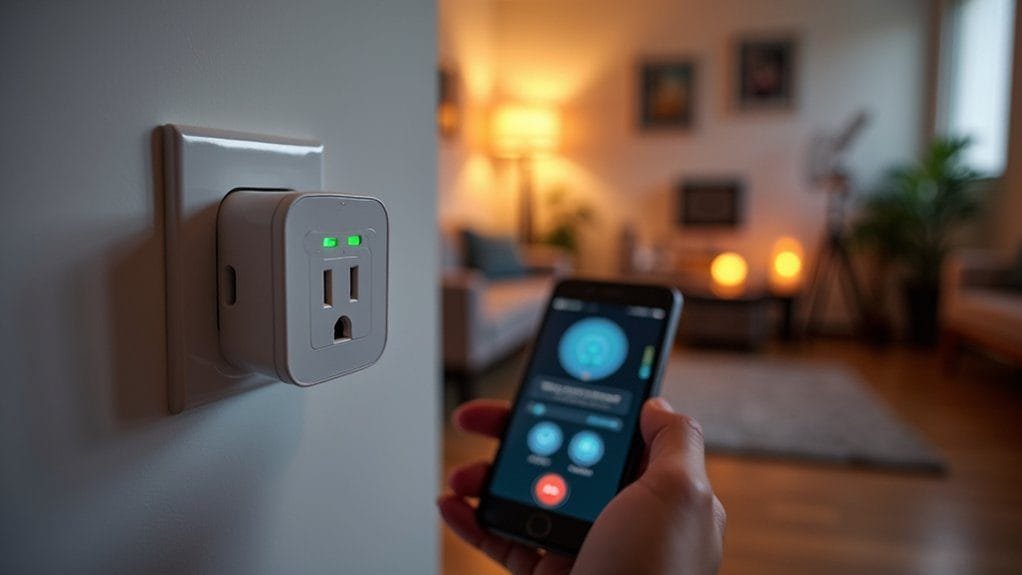
Smart plugs are the digital gatekeepers of modern home automation, transforming ordinary electrical outlets into intelligent, remotely controllable power management systems. These devices enable you to control your appliances through a smartphone app, leveraging Wi-Fi networks to provide seamless remote control capabilities. By simply plugging a smart plug into a standard outlet and connecting your device, you’ll gain unprecedented control over your electronics.
Compatible with platforms like Amazon Alexa and Google Assistant, smart plugs offer advanced features such as energy monitoring and scheduling. They operate on the 2.4 GHz Wi-Fi band, allowing you to create automated routines that enhance convenience and optimize energy efficiency. Whether you’re looking to turn on lights, manage small appliances, or create intelligent home environments, smart plugs provide a versatile solution for modern home automation.
Top Smart Plug Recommendations for Your Home
While home automation continues to evolve, selecting the right smart plug can dramatically transform your living space’s efficiency and convenience. TP-Link offers versatile smart plugs catering to diverse needs. The Kasa Smart Wi-Fi Plug Slim (EP25) provides thorough energy monitoring and smart home integration, ideal for indoor environments. For outdoor applications, the Tapo TP25 delivers weather-resistant functionality with dual independently controllable outlets. Compact options like the Kasa Smart Wi-Fi Plug Mini (EP10) excel in tight spaces, featuring built-in usage tracking and Away Mode. The Kasa Smart Wi-Fi Power Strip expands connectivity by converting one outlet into six smart-enabled ports. These devices enable remote access, scheduling, and automation, empowering users to optimize energy consumption and enhance home control through intelligent, interconnected smart home devices.
Setting Up Your First Smart Plug: A Step-by-Step Guide
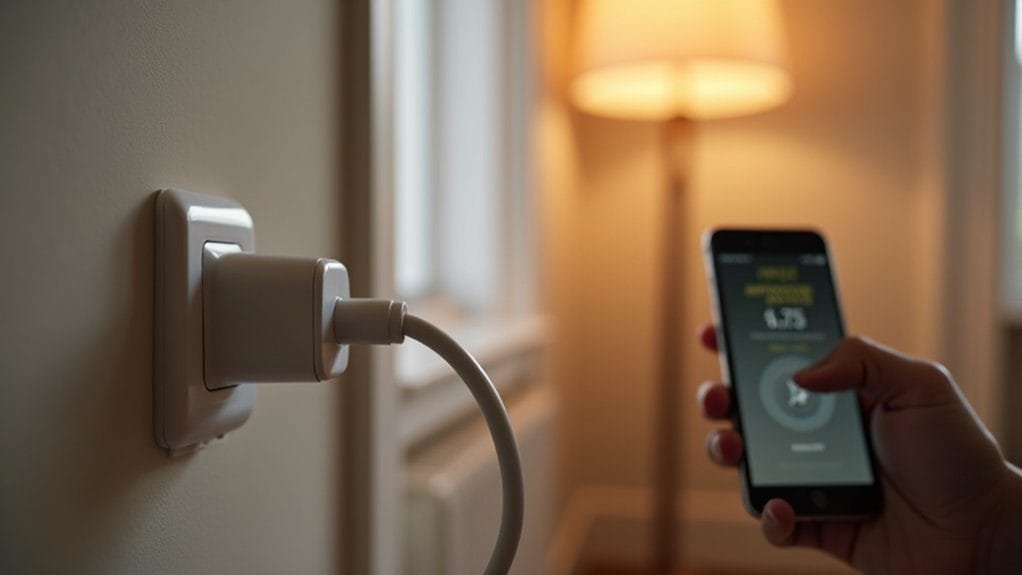
Because home automation technology continues to advance, setting up your first smart plug can seem intimidating—but it’s surprisingly straightforward. Begin by plugging the smart plug into an outlet and powering it on. Download a compatible app like Kasa or Tapo on your smartphone, which guides you through the setup process. Activate pairing mode by holding the power button until the LED indicator blinks, signaling readiness to connect. Link the smart home device to your 2.4 GHz Wi-Fi network by following app instructions carefully. Once connected, you can rename the device and start automating controls through the app or integrate with voice assistants like Alexa or Google Assistant. Smart plugs offer a simple entry point into home automation, transforming ordinary electrical outlets into intelligent, remotely manageable connections.
Energy Savings and Efficiency With Smart Plug Technology
As home energy consumption continues to rise, smart plug technology emerges as a powerful tool for maximizing efficiency and reducing electricity costs. By allowing you to automate and schedule appliances, smart plugs help you minimize vampire energy loss and track power usage precisely. These smart devices enable you to monitor individual appliance energy consumption, providing actionable insights into your household’s electricity patterns. You’ll gain the ability to strategically cut power during peak hours, potentially trimming your power bill considerably. Integration with energy-saving programs like OhmConnect further amplifies your potential savings, transforming your approach to home energy management. The technology empowers you to make data-driven decisions, automatically managing devices to optimize energy efficiency and reduce unnecessary electrical drain.
Smart Home Integration: Voice Assistant and Platform Compatibility
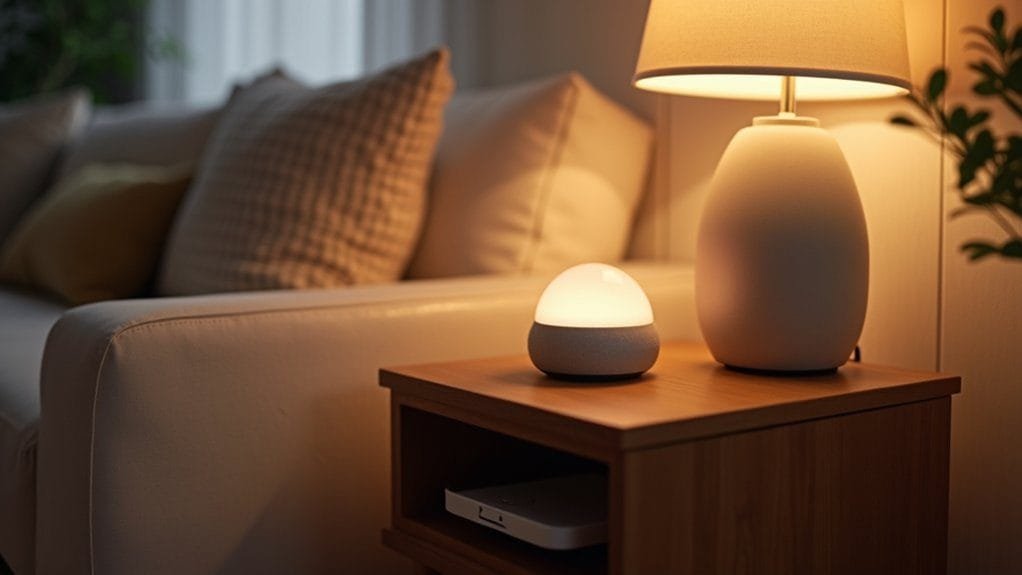
Smart plug technology extends beyond energy management, offering robust integration with modern smart home ecosystems. You’ll find these devices seamlessly compatible with major voice assistants like Amazon Alexa and Google Assistant, enabling hands-free control through simple voice commands. The mobile app becomes your central hub for configuration, allowing you to link smart plugs across various platforms and create sophisticated automation routines.
When selecting smart plugs, verify compatibility with your existing smart home infrastructure. Platforms like IFTTT enable advanced cross-device interactions, while specific models such as TP-Link Kasa and Tapo provide broad ecosystem support. Your choice should depend on the smart home hub and assistants you currently use, ensuring smooth integration and maximizing the potential of your home automation setup.
Creative Ways to Use Smart Plugs in Every Room
While home automation technology continues to evolve, smart plugs offer homeowners unprecedented flexibility in managing household devices across multiple rooms. By using voice commands or scheduling, you can turn the plug on and off, automate energy consumption, and control power across different spaces.
| Room | Smart Plug Application |
|---|---|
| Kitchen | Automate cooking appliances |
| Bedroom | Sync lamp with alarm |
| Living Room | Manage entertainment systems |
| Children’s Room | Control screen time |
| Outdoors | Manage holiday/garden lighting |
These versatile devices create the illusion of home occupancy, enhance convenience, and provide strategic control over electrical devices. Smart plugs enable you to set time-based routines, reduce unnecessary energy usage, and streamline daily household operations with minimal effort, transforming how you interact with home electronics across every room.
Privacy and Security Considerations for Smart Plug Users
How vulnerable are your smart plugs to digital threats? Smart plug security starts with understanding potential risks. You’ll want to carefully review privacy policies before implementation, as these devices can transmit personal information to manufacturers. Protect yourself by enabling two-factor authentication and maintaining a secure Wi-Fi network to prevent unauthorized access.
Regular firmware updates are critical for mitigating security vulnerabilities. Hackers constantly seek entry points, and outdated software can provide convenient pathways for remote intrusion. When not actively used, disconnect smart plugs from your network to reduce exposure to potential data breaches.
Your digital safety depends on proactive management. By implementing robust security practices, you can enjoy home automation’s conveniences while minimizing risks associated with smart plug technologies.
Comparing Indoor, Outdoor, and Power Strip Smart Plug Options
Ever wondered which smart plug type best suits your home automation needs? The right smart plug depends on your specific use case:
- Indoor Smart Plugs: Ideal for controlling devices inside your home, offering energy monitoring and seamless integration with smart home platforms.
- Outdoor Smart Plugs: Designed with weather resistance (IP65) for managing exterior lighting and appliances, featuring dual independently controllable outlets.
- Power Strip Smart Plugs: Convert a single outlet into multiple independently controlled sockets, perfect for complex home setups.
When selecting a smart plug, consider compatibility with your router (2.4 GHz band), desired control features, and specific environment needs. TP-Link’s diverse range – from the compact EP10 to the robust Tapo TP25 – provides solutions for various home automation scenarios, ensuring you can efficiently control devices while monitoring energy consumption.
Future of Smart Home Automation: Smart Plug Innovations
As smart home technology continues to advance, smart plugs are poised to become increasingly sophisticated, transforming how consumers interact with and manage their home devices. You’ll see emerging innovations focused on user-friendly automation, energy monitoring, and intelligent integration. Voice commands through Amazon Alexa and Google will enable more natural interactions, while AI-driven capabilities learn your habits for personalized automation.
| Feature | Technology | Benefit |
|---|---|---|
| Energy Monitoring | AI Algorithms | Optimized Power Usage |
| Voice Control | Smart Assistants | Seamless Interaction |
| Predictive Automation | Machine Learning | Customized Experience |
These smart plugs won’t just control devices; they’ll actively analyze and adapt to your energy consumption patterns. With advanced energy-saving algorithms, you’ll experience more efficient home management, reducing waste and enhancing overall smart home functionality.
Frequently Asked Questions
What Can You Automate With Smart Plugs?
You’ll automate lighting controls, manage appliances, monitor energy, schedule devices, access remotely, integrate with voice commands, enhance safety, and upgrade home convenience—all by plugging smart plugs into your electrical outlets and connecting them to your network.
What Should You Not Plug Into a Smart Plug?
When safety’s your North Star, steer clear of plugging high-power appliances, sensitive electronics, medical devices, and heat-generating items like irons into smart plugs. Avoid connecting refrigerators, water heaters, power strips, and outdoor equipment to prevent potential hazards.
What Are the Disadvantages of Smart Plugs?
You’ll face security concerns, connection issues, and compatibility problems with smart plugs. Privacy risks, energy consumption, device limitations, complex setup, and higher costs can frustrate users seeking seamless home automation technology.
How Do Smart Plugs Work Technically?
Imagine your lamp dancing to your smartphone’s command. Smart plugs harness Wi-Fi connectivity and relay switches, enabling remote device control through app integration, energy monitoring, and voice assistant compatibility with robust security protocols.
Conclusion
Smart plugs are transforming home automation, with 34% of consumers already adopting smart home technologies. You’ll find these devices aren’t just convenient—they’re game-changers in energy management and home efficiency. By integrating intelligent control into your everyday electronics, you’re not just upgrading your living space; you’re creating a more responsive, intuitive home environment. The future of home tech is here, and it starts with these small, powerful devices.