
You’ll minimize blisters by choosing footwear that matches your foot mechanics and terrain. Hiking shoes offer superior stability for heavy loads, while trail runners provide lightweight flexibility. Your choice depends on arch type, pack weight, and moisture management needs. Breathable mesh and proper fit reduce friction. Moisture-wicking socks and gradual break-in further prevent irritation. Stick around to uncover more strategic blister-prevention insights.
Key Takeaways
- Trail runners typically prevent blisters more effectively due to their flexible design, lightweight materials, and superior breathability compared to traditional hiking shoes.
- Individual foot mechanics play a critical role in blister prevention, with shoe selection needing to match specific arch types, pronation, and personal comfort requirements.
- Moisture management is paramount in blister prevention, making trail runners’ breathable mesh uppers and moisture-wicking properties more advantageous than stiffer hiking shoe constructions.
- Proper shoe fit is more important than shoe type, with well-fitted footwear significantly reducing friction and minimizing the likelihood of blister development during hiking.
- Supplementary prevention strategies like moisture-wicking socks, gradual break-in periods, and pre-emptive anti-chafing treatments can enhance blister protection beyond inherent shoe design characteristics.
Understanding Blister Formation in Hiking Footwear
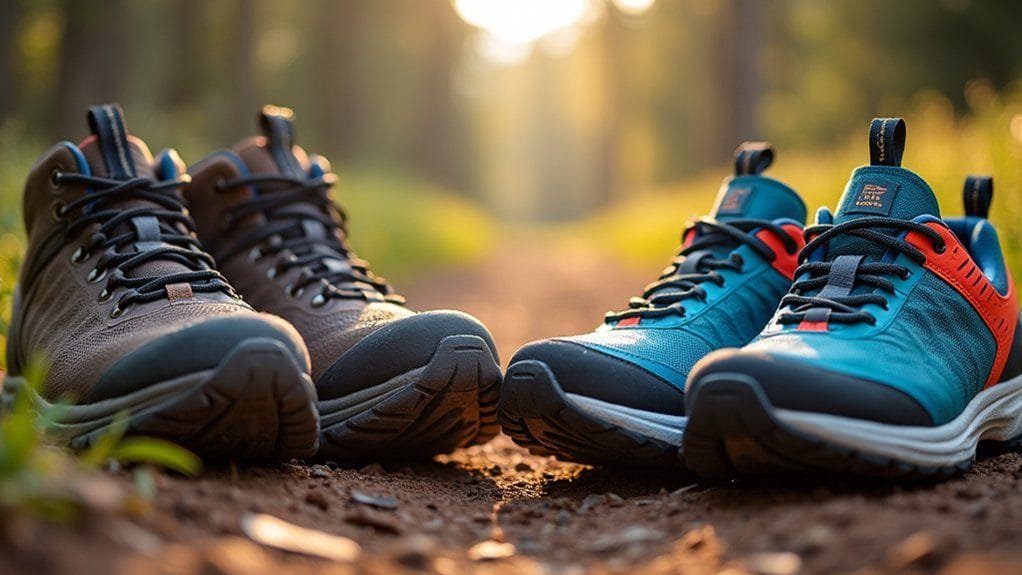
When hiking, understanding blister formation is critical to preventing foot discomfort and potential trail-ending injuries. Blisters develop primarily through friction between your skin and hiking footwear, intensified by moisture and heat. Hiking shoes’ stiffer materials can create more rigid contact points, increasing blister risk, while trail runners’ lightweight, flexible design minimizes friction-induced skin irritation. Your choice of hiking footwear directly impacts blister potential, with breathable options like trail runners offering superior moisture management.
Key prevention strategies include selecting footwear with ideal flexibility and investing in seamless, moisture-wicking socks. These elements work synergistically to reduce skin-to-shoe friction and manage perspiration. By understanding how blisters form and selecting appropriate hiking footwear, you can greatly mitigate the likelihood of painful, performance-limiting foot injuries during your outdoor adventures.
Anatomy of Hiking Shoes and Trail Runners
Understanding blister formation sets the stage for examining the structural nuances that distinguish hiking shoes from trail runners. The anatomy of these footwear options reveals essential differences in blister prevention strategies. Hiking shoes prioritize durability and stability with sturdier materials and thicker soles that minimize foot movement across uneven terrain. Trail runners, conversely, emphasize flexibility and lightweight design, featuring breathable mesh uppers that combat moisture buildup. Both footwear types incorporate strategic cushioning to reduce friction and impact-related skin irritation. The key differentiator lies in their structural approach: hiking shoes offer robust protection through rigid construction, while trail runners provide agile responsiveness through more flexible components. Your choice depends on terrain complexity, personal biomechanics, and blister susceptibility, making careful evaluation of each shoe’s anatomical design vital for best foot protection.
Traction, Support, and Friction Factors
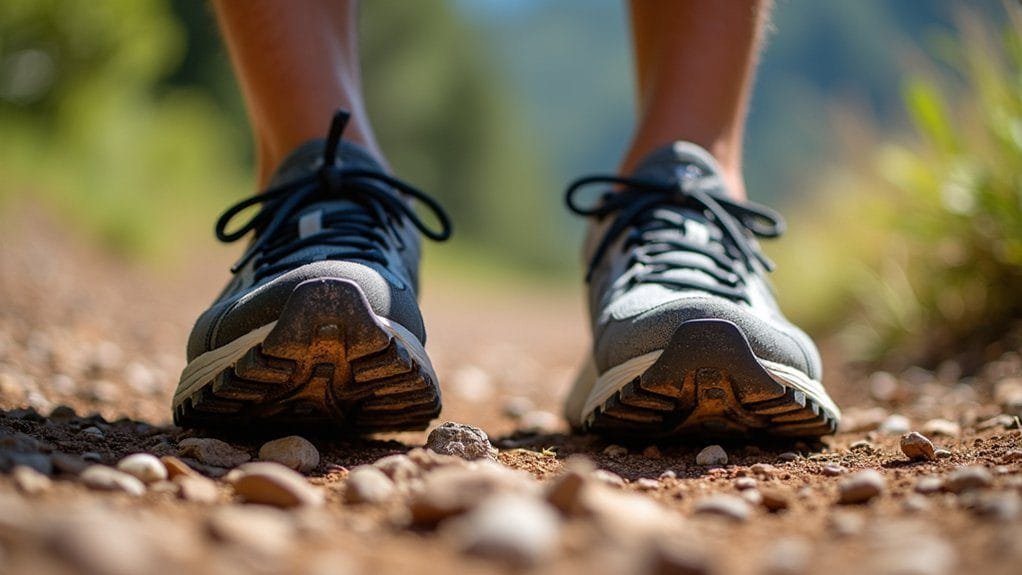
While the terrain dictates your footwear performance, traction, support, and friction emerge as critical factors in preventing blisters and ensuring trail comfort. Hiking shoes offer superior traction with thicker soles and aggressive lugs, providing stability on rugged surfaces and minimizing foot movement. Their robust ankle protection reduces friction-induced blisters, especially when carrying heavy loads. Trail runners, conversely, deliver lightweight flexibility with breathable materials that manage moisture buildup effectively.
The fit remains paramount—both hiking shoes and trail runners can cause blisters if improperly sized. Your ideal footwear should balance traction, support, and friction reduction. Consider your terrain’s demands, pack weight, and personal comfort when selecting between hiking shoes’ robust protection and trail runners’ nimble design. Ultimately, a precise fit trumps shoe category in blister prevention.
Personal Foot Mechanics and Shoe Selection
Because individual foot mechanics play a pivotal role in hiking comfort and injury prevention, selecting the right footwear requires a nuanced understanding of biomechanical factors. Your arch type, gait pattern, and foot shape directly influence whether hiking shoes or trail runners will best prevent blisters and provide ideal comfort.
Consider these critical personal foot mechanics considerations:
- High arches benefit from trail runners’ flexibility and breathable materials
- Flat feet or overpronation demand hiking shoes’ enhanced support and stability
- Pack weight impacts foot mechanics, potentially necessitating more robust footwear
Properly fitted footwear tailored to your unique foot mechanics can greatly reduce moisture buildup, friction, and blister formation. Understanding these biomechanical nuances enables you to make an informed shoe selection that maximizes hiking performance and minimizes potential foot-related discomfort.
Practical Tips for Blister Prevention Beyond Footwear
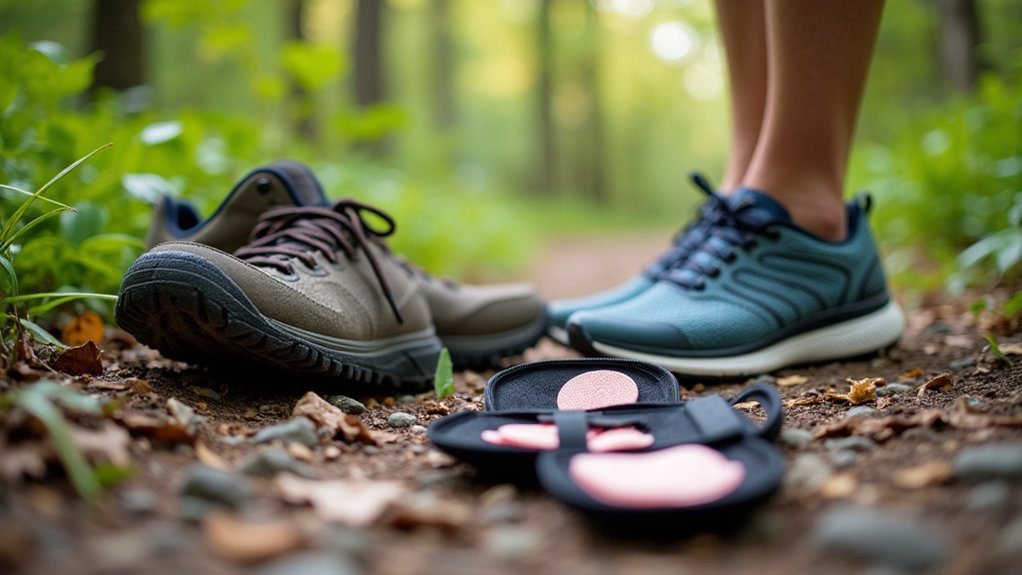
Though proper footwear selection forms the foundation of blister prevention, hikers must adopt a thorough strategy that extends beyond shoe choice. Moisture-wicking socks and strategic friction management are essential. You’ll want to break in new footwear gradually, allowing your feet to adapt and identify potential hot spots before intense hiking.
Regular foot inspections during treks help you catch early signs of irritation. Apply anti-chafing creams preemptively and carry blister pads for immediate intervention. Your approach should include maintaining dry feet through moisture-management techniques and proactive care. A thumb’s width of space in your footwear fit provides vital movement prevention, while seamless, reinforced wool socks minimize potential friction zones.
Preventative maintenance is your most effective blister defense strategy.
Frequently Asked Questions
Should I Buy Trail Running Shoes or Hiking Shoes?
Consider trail runners if you’ll tackle light terrain and prioritize weight and breathability, but choose hiking shoes for rugged landscapes where durability, ankle support, and tread stability matter more for your specific adventure’s demands.
Is It Normal to Get Blisters With New Hiking Shoes?
You’ll likely experience blisters during your shoe’s break-in period due to friction, improper fit, and moisture. Understanding foot anatomy, choosing moisture-wicking socks, and gradually adapting to hiking terrain can minimize blister formation and discomfort.
What Is the Best Way to Prevent Blisters When Hiking?
When your feet are your hiking compass, shield them wisely. Choose moisture-wicking socks, properly fitted shoes, and break them in gradually. Keep feet dry, use preventive products, and listen to your foot’s anatomy to dodge painful blisters.
Why Do People Wear Hiking Boots Instead of Shoes?
You’ll choose hiking boots for their superior ankle support, terrain adaptability, and durability. They offer enhanced foot protection and moisture management, balancing comfort levels and weight considerations while providing reliable performance across challenging landscapes.
Conclusion
Your journey on the trail isn’t just about footwear—it’s about understanding your body’s complex biomechanical interface with terrain. Whether you choose hiking shoes or trail runners, blister prevention hinges on precise fit, moisture management, and friction reduction. Scientific evidence suggests personalized selection trumps generic recommendations. Ultimately, your perfect hiking companion depends on individual foot morphology, terrain complexity, and dynamic movement patterns.