
Smart locks offer enhanced security through advanced encryption, two-factor authentication, and real-time monitoring that traditional locks can’t match. You’ll benefit from military-grade cybersecurity protocols, remote access control, and instant breach alerts. However, they’re not without vulnerabilities like potential wireless communication exploits and battery dependencies. Their sophisticated technology provides more thorough protection, but you’ll want to understand the nuanced security landscape before making a decision.
Key Takeaways
- Smart locks offer advanced encryption protocols like 128-bit security and two-factor authentication, providing significantly stronger protection against physical and digital intrusions compared to traditional mechanical locks.
- Remote monitoring capabilities of smart locks enable real-time tracking of entries and exits, instant unauthorized access notifications, and comprehensive security insights traditional locks cannot provide.
- Cybersecurity vulnerabilities exist in smart locks, but proactive firmware updates, strong password practices, and awareness of potential risks can mitigate these technological security challenges.
- Biometric access methods and custom user codes in smart locks create multiple layers of authentication that traditional locks cannot match, enhancing overall security complexity.
- While smart locks have higher upfront costs and potential technological risks, their integrated security features, including automatic alerts and home system compatibility, represent a more sophisticated approach to modern home protection.
Understanding Smart Lock Technology
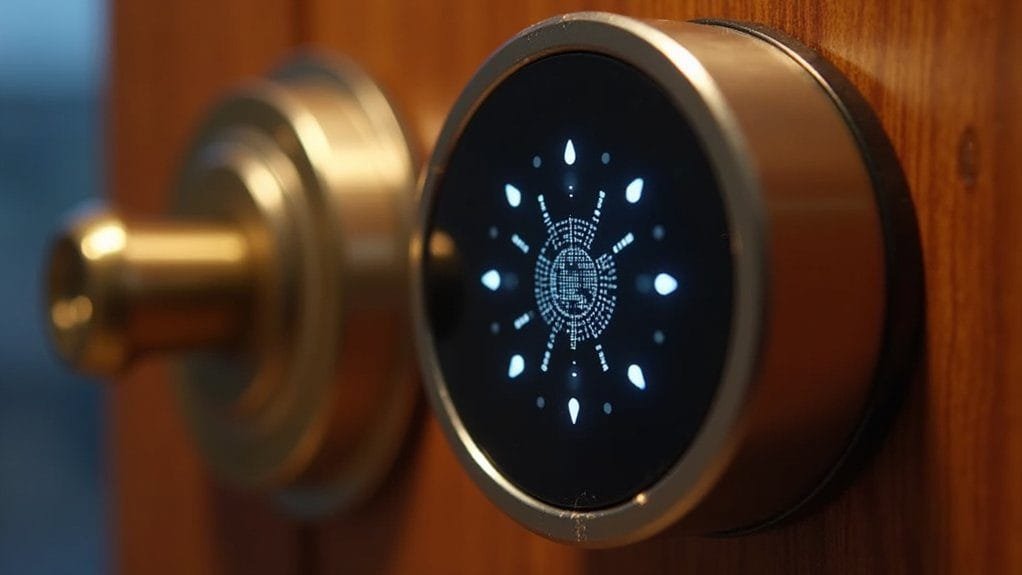
While traditional locks have long been the standard for home security, smart lock technology represents a significant leap forward in access control and convenience. Smart locks leverage wireless technologies like Bluetooth and Wi-Fi, enabling you to manage entry through secure digital platforms. These innovative security technologies eliminate physical key requirements, replacing them with sophisticated access codes and smartphone authentication.
You’ll find smart locks integrate advanced encryption protocols that protect against potential cyber intrusions. Military-grade security measures, including two-factor authentication, guarantee robust protection beyond traditional mechanical lock mechanisms. By transforming how you control and monitor home access, smart locks provide unprecedented convenience and security, allowing real-time tracking of entries and exits while maintaining thorough digital safety protocols.
Security Features of Smart Locks
Although traditional locks offer basic security, smart locks elevate home protection through sophisticated digital defense mechanisms. You’ll find that smart locks’ security features far surpass conventional barriers, implementing advanced 128-bit encryption to shield against potential breaches. These intelligent devices provide custom user access codes, enabling precise tracking of entries and exits while maintaining robust accountability.
When considering smart locks versus traditional locks, you’ll discover additional protective layers like intrusion alarms that automatically trigger during unauthorized access attempts. Their integration with home security systems allows for automated responses, such as immediate door locking when an alarm activates. Two-factor authentication and biometric access methods further strengthen these digital guardians, making them considerably more challenging to compromise compared to mechanical predecessors.
Potential Vulnerabilities in Smart Lock Systems
Despite their advanced features, smart locks aren’t impervious to security breaches. You’ll find that these devices can expose significant vulnerabilities through weak wireless communication protocols. Bluetooth and Wi-Fi connections become potential entry points for cybercriminals if encryption isn’t robust, allowing unauthorized access attempts to compromise your smart locks’ security.
Technical analysis reveals multiple risk factors: firmware update negligence, battery dependency, and inherent system weaknesses. Without consistent updates, smart locks remain susceptible to exploitable security flaws that hackers can manipulate. Battery failures can unexpectedly lock you out, eliminating the convenience these systems promise.
Understanding these vulnerabilities doesn’t mean rejecting smart lock technology, but rather implementing strategic protective measures to mitigate potential risks effectively.
Comparing Encryption and Access Control
Given the evolving landscape of home security, encryption and access control represent critical differentiators between smart locks and traditional mechanical systems. Smart locks leverage advanced 128-bit AES encryption, creating a robust digital barrier against unauthorized intrusion. Unlike traditional locks, these sophisticated systems enable granular access control through unique user codes and extensive management interfaces.
You’ll find that smart locks provide superior security through multi-layered authentication protocols. Two-factor verification ensures that access isn’t granted merely by possession of a digital credential, but requires additional identity confirmation. The encryption mechanisms protect communication channels, rendering physical manipulation techniques ineffective.
Remote Monitoring and Real-Time Alerts
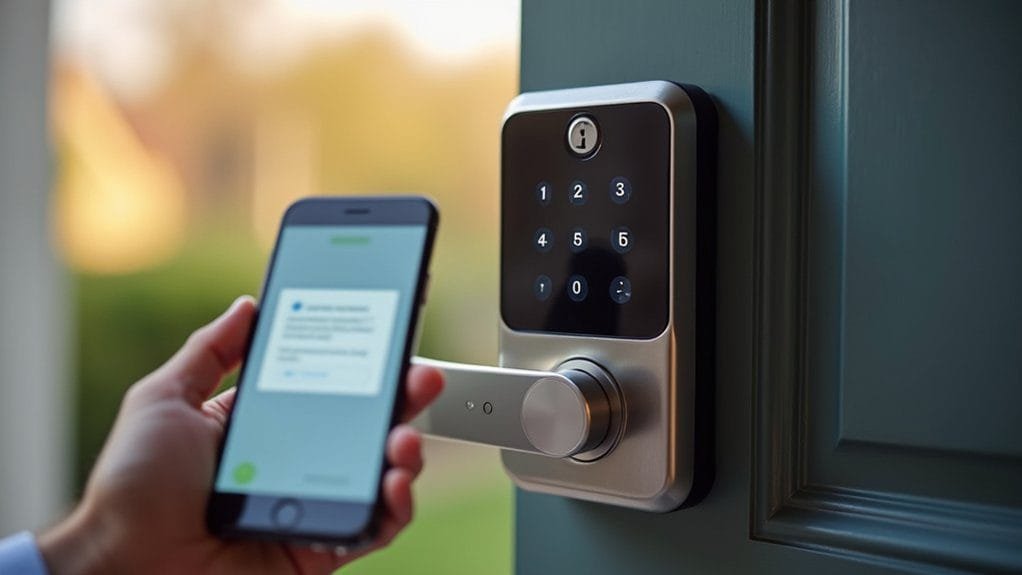
How critical is real-time monitoring in modern home security? Smart locks revolutionize protection through advanced remote monitoring and real-time alerts. You’ll gain unprecedented visibility into your property’s access events, transforming traditional security paradigms. With instant notifications about door status, unauthorized entry attempts, and access code usage, you’re always informed.
| Feature | Traditional Locks | Smart Locks |
|---|---|---|
| Entry Tracking | Manual | Automatic |
| Remote Access | None | Full |
| Notification | Limited | Instant |
| Security Level | Basic | Advanced |
Integrating smart locks with home security systems amplifies your defensive capabilities. You’ll receive immediate smartphone alerts when doors are locked, opened, or potentially compromised. This technological approach guarantees you’re connected to your property’s security landscape, providing peace of mind through thorough, real-time monitoring strategies that traditional locks simply cannot match.
Physical Security Considerations
While traditional locks have long been the standard for home security, smart locks introduce a sophisticated approach to physical protection that transcends conventional mechanical barriers. Smart locks offer enhanced security through advanced mechanisms that resist physical attacks more effectively than traditional locks. You’ll find that their complex encryption and integrated security features provide robust defense against potential intrusions.
The technological infrastructure of smart locks enables superior physical security by incorporating tamper alerts, automatic locking systems, and granular access control. Unlike traditional locks, smart locks allow you to manage entry permissions digitally, generating temporary access codes and instantly revoking them. This level of precision in access management greatly elevates your home’s physical security profile, transforming how you protect your living space against unauthorized entry.
Cost and Installation Factors
Beyond the advanced security features, smart locks present a distinct financial and logistical landscape that demands careful evaluation.
When considering smart locks, you’ll encounter significant cost implications:
- Higher upfront investment ranging from $100-$300 compared to traditional locks’ $20-$100 price point
- Potential professional installation expenses adding $50-$150 to initial implementation
- Ongoing maintenance costs including periodic battery replacements every 6-12 months
Your total cost assessment must incorporate both immediate and long-term financial factors. Smart locks require strategic budgeting, balancing initial installation expenses against potential technological advantages. While traditional locks offer more economical entry points, smart locks provide enhanced connectivity and remote management capabilities.
Smart locks demand strategic budgeting: weighing installation costs against advanced technological benefits.
Critically analyze your specific security requirements, technological comfort level, and financial capacity before committing to smart lock technology.
User Experience and Convenience
Smart locks revolutionize traditional entry methods by introducing unprecedented convenience and flexibility for users. You’ll experience enhanced security and user-friendly access through keyless entry options that eliminate the need for physical keys. By leveraging smartphone apps, keypads, and biometric scans, you can open doors effortlessly and manage property access remotely.
The advanced features provide exceptional convenience: create temporary access codes for guests, receive real-time notifications about door status, and automate security processes like auto-locking. You’ll appreciate the ability to control entry from anywhere, granting or restricting access without being physically present. These technological innovations transform your interaction with home security, offering a seamless, intelligent approach to managing property access that traditional locks cannot match.
Future of Home Security Technology
As technological innovations continue to reshape residential security paradigms, the future of home security technology promises unprecedented advancements in intelligent protection mechanisms. You’ll witness transformative changes driven by cutting-edge developments in smart locks, security cameras, and biometric authentication technologies. Key evolutionary trends include:
- Extensive IoT ecosystems enabling real-time automated security responses
- Machine learning algorithms analyzing user behavior for adaptive protection strategies
- Military-grade encryption protocols integrating two-factor authentication mechanisms
The convergence of artificial intelligence and sophisticated sensor technologies will redefine home security standards. Homeowners can anticipate increasingly intelligent systems that seamlessly communicate across devices, providing robust, personalized protection. These advancements will not merely enhance security but fundamentally reimagine how we conceptualize residential safety, making traditional locks appear increasingly obsolete in an era of sophisticated, data-driven protective technologies.
Frequently Asked Questions
Are Smart Locks More Secure Than Regular Locks?
You’ll find smart lock technology offers robust security features that surpass traditional locks, providing enhanced protection through encryption, real-time monitoring, and user-friendly access controls that greatly improve your property’s overall security.
What Are the Disadvantages of a Smart Lock?
You’ll face hacking risks, battery dependency, and software vulnerabilities with smart locks. Potential system malfunctions, connectivity issues, and unexpected failures can compromise your security, making these high-tech solutions less reliable than traditional mechanical locks.
Do Smart Locks Deter Burglars?
Are you worried about home security? Smart locks can deter burglars by offering advanced user access control, minimizing smart lock vulnerabilities, and providing real-time monitoring that greatly enhances burglary prevention effectiveness.
What Type of Lock Is Safest?
You’ll find keyless entry smart locks offer superior safety features through advanced lock technology. Their encryption, biometric authentication, and remote monitoring capabilities greatly enhance security compared to traditional mechanical locks’ limited protective mechanisms.
Conclusion
Smart locks represent a technological leap, but they’re not infallible. With 60% of break-ins involving forced entry, you’ll find smart locks can deter opportunistic criminals through advanced encryption and remote monitoring. However, you must remain vigilant about potential cyber vulnerabilities. Your security strategy should integrate smart technology with traditional physical safeguards, creating a thorough defense that balances digital innovation with proven protective measures.